Limpopo Labour Activation Programme – Skills Programme
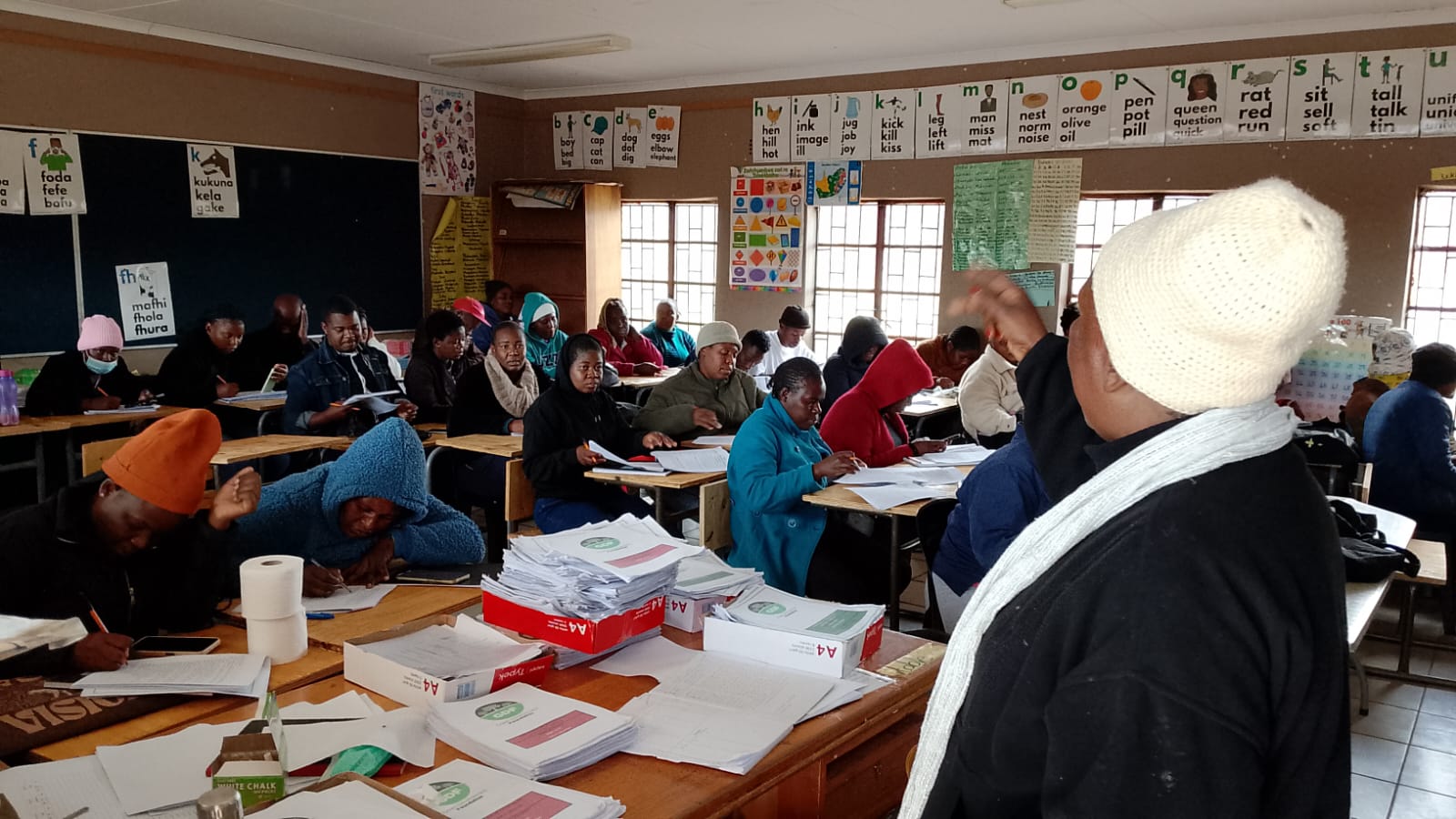
The Limpopo Labour Activation Programme was the flagship intervention across rural communities in the Vhembe district. It equipped unemployed youth and community members with practical, work‑ready skills in agribusiness and related livelihood pathways, directly benefiting participants from multiple villages. Beyond skills transfer, the programme strengthened local economic participation, promoted self‑employment and cooperative models, and restored dignity and hope among unemployed youth.
Agro-processing

The Green Development Foundation was appointed by the Gauteng Department of Economic Development to implement the High-Impact Partnership Delivery Model Programme, to strengthen sustainability, competitiveness, and resilience among agro‑processing SMMEs in Gauteng. The programme delivered targeted capacity‑building and enterprise development interventions focused on skills development, market access, entrepreneurship, and regulatory compliance. Participants received structured mentorship and selected enterprises accessed funding for product testing to improve quality, compliance, and market readiness. The programme demonstrated measurable impact in enhancing business skills, improving enterprise sustainability, and supporting local economic development through job creation in the agro‑processing sector.
Community Work Programmes
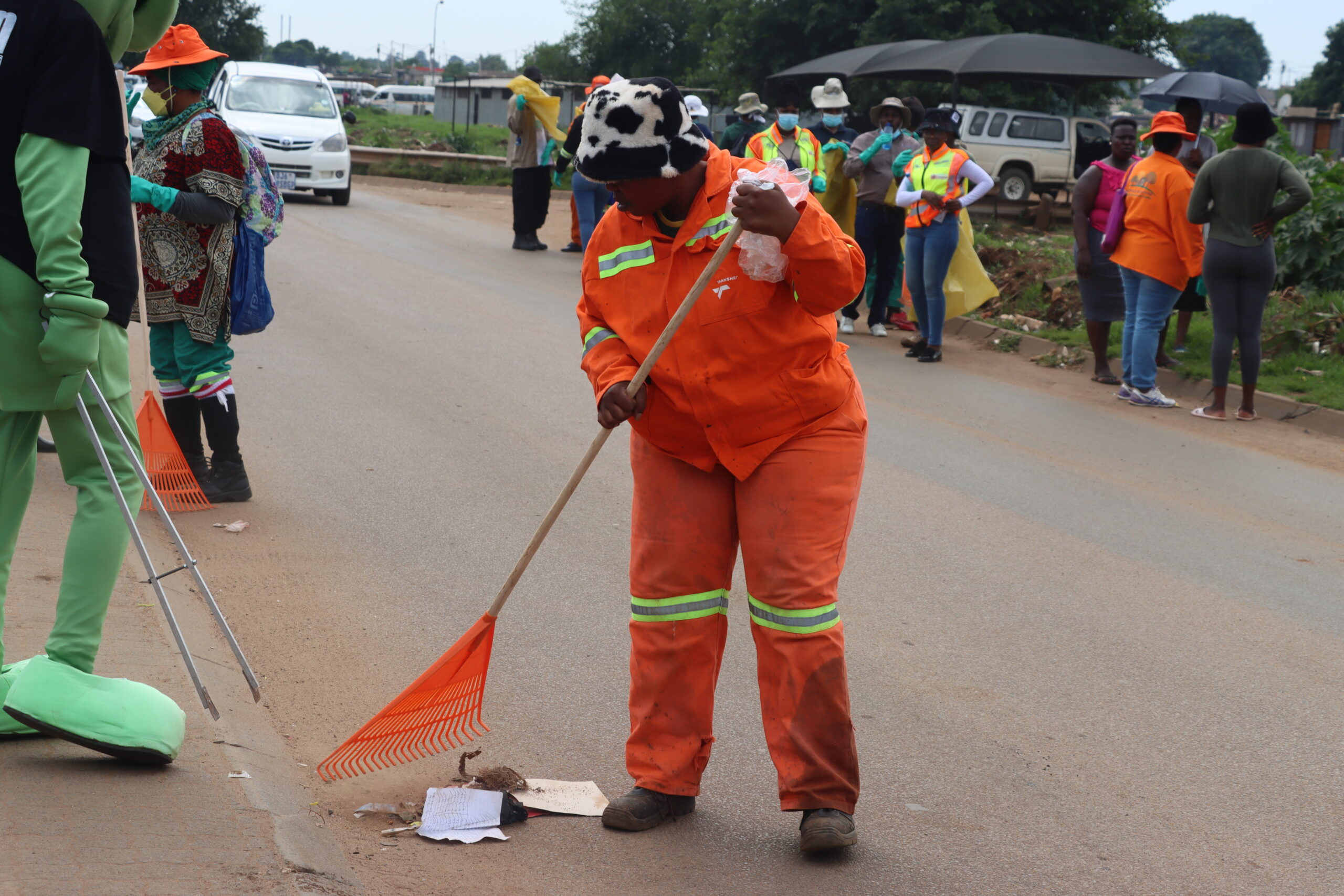
The CWP is a programme under the Department of Cooperative Governance Traditional Affairs (CoGTA) designed to address the triple challenges of poverty, unemployment, and inequality. This programme is meant to address strategic goals of government by combating poverty and unemployment. It is based on the recognition that policies to address unemployment and create decent work will take time to reach people living in marginalized areas with few opportunities.
Mining Qualification Authority
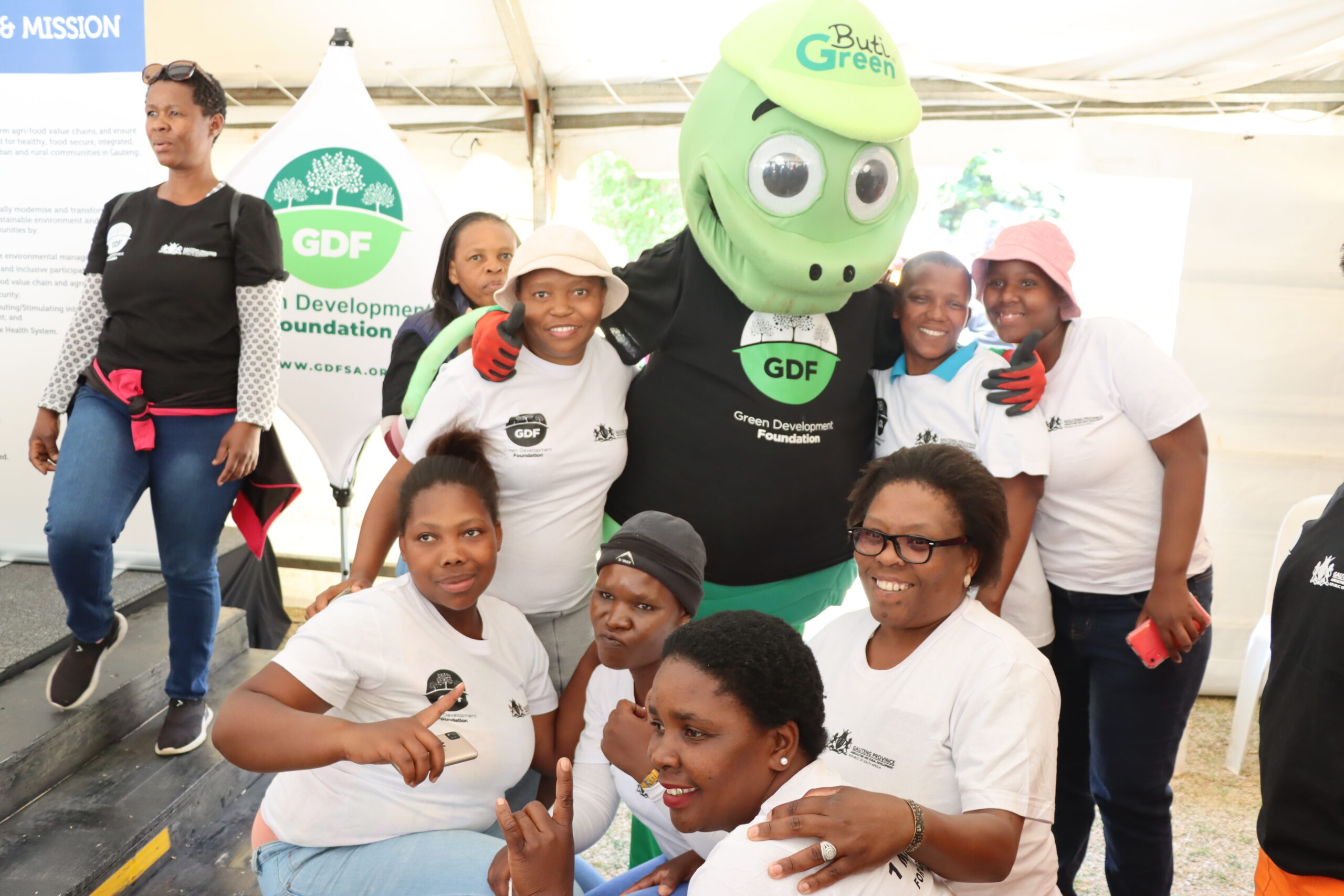
GDF provided accredited skills training programmes and mentorship for young farmers. This contributed to the development of a skilled, resilient, and sustainable agricultural practice.
Feasibility Study: Loskop Dam, Mpumalanga
GDF conducted a feasibility study with Department of Forestry, Fisheries and the Environment (DFFE) on development opportunities around Loskop Dam in Mpumalanga assessing interventions in environmental management sustainable livelihoods and green economy job creation This established a foundation for future projects by identifying inclusive models aligned with national environmental priorities and climate resilience. GDF reached at least 16 communities mainly in Limpopo with additional impact in Gauteng and Mpumalanga The programmes activated partnerships with national departments provincial and local government community leadership training providers and environmental stakeholders ensuring effective delivery community buy‑in and sustainability.
Enviro-Guards Programme
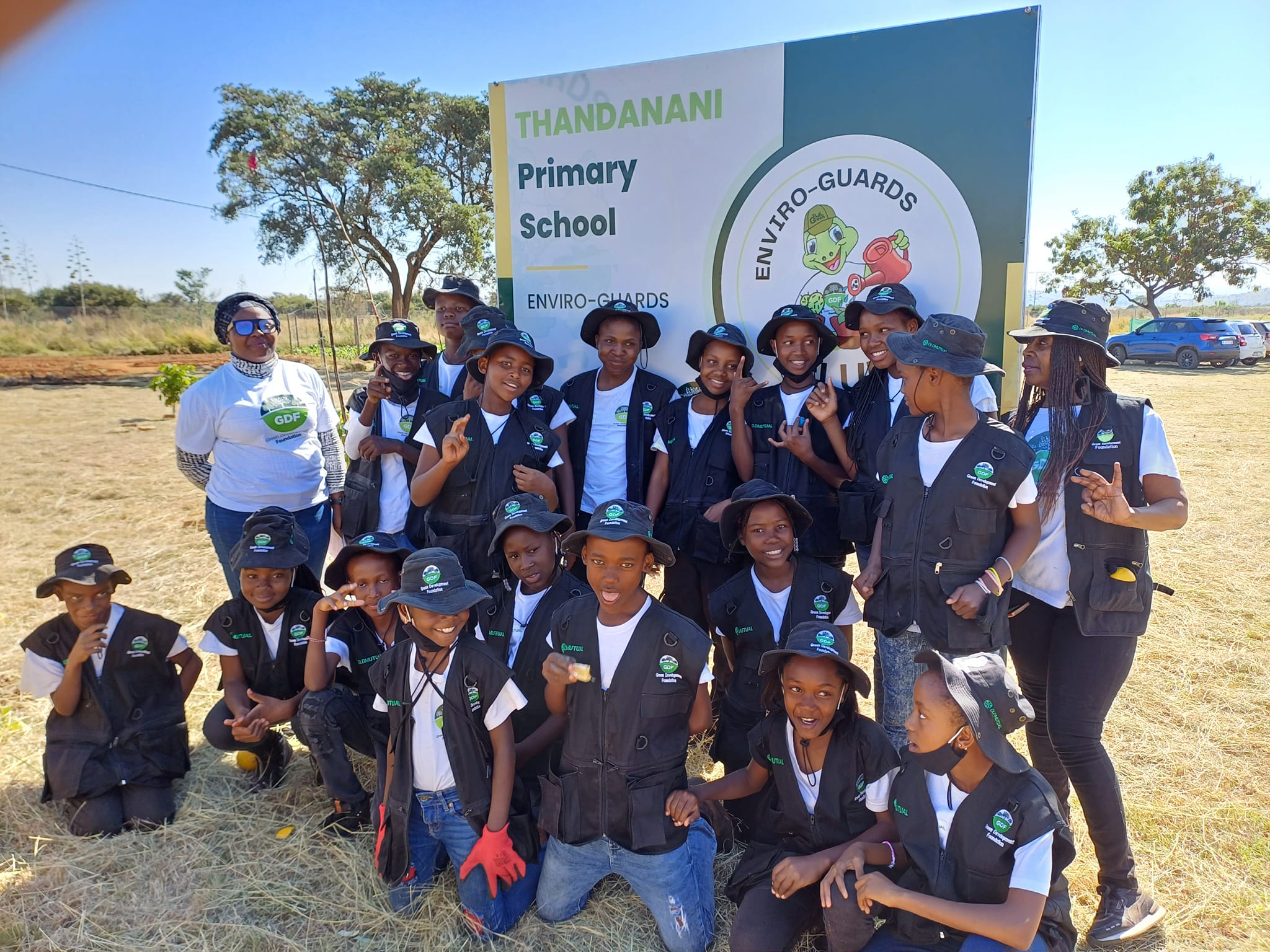
Enviro Guards programme is a school-based environmental education and action initiative designed to cultivate environmental awareness, practical skills, and leadership among learners. The programme responds to critical environmental challenges facing South Africa, including poor waste management, water scarcity, climate change impacts, and food insecurity, particularly in under-resourced and rural communities.
Independent development trust (IDT) Limpopo

The program seeks to contribute to government policy priorities in terms of decent work, sustainable livelihoods, education, health, rural development, food security, land reform, corruption, and the fight against crime. The program has been established and mandated by cabinet to create work opportunities according to the set targets and across all its sectors, namely: infrastructure, non -state, environment & culture, and social sectors. One of the prescripts of the programme is to use labor-intensive methods which attract a significant number of participants into the programme to do the work